Personalized Demo Automation When APIs Are Bad
Demo automation hits a wall when your APIs can't support the experience buyers need. Here's how to triage requests into presentation work vs. product work.
Demo automation hits a wall when your APIs can't support the experience buyers need. Here's how to triage requests into presentation work vs. product work.
Personalized demos break when teams confuse education, prototypes, and usable applications. A framework for deciding which deliverable fits when APIs limit automation.
Interactive demos explain your standard product. Custom POCs validate prospect-specific workflows. A practical framework for knowing when to use each in presales.
AI can find security bugs at scale, but B2B SaaS teams still need readable trust boundaries, scoped tools, and human-owned release gates before generated code reaches users.
AI features can answer correctly and still feel broken. Product teams need progress feedback, fast paths, and scoped workflows before AI waits become user trust problems.
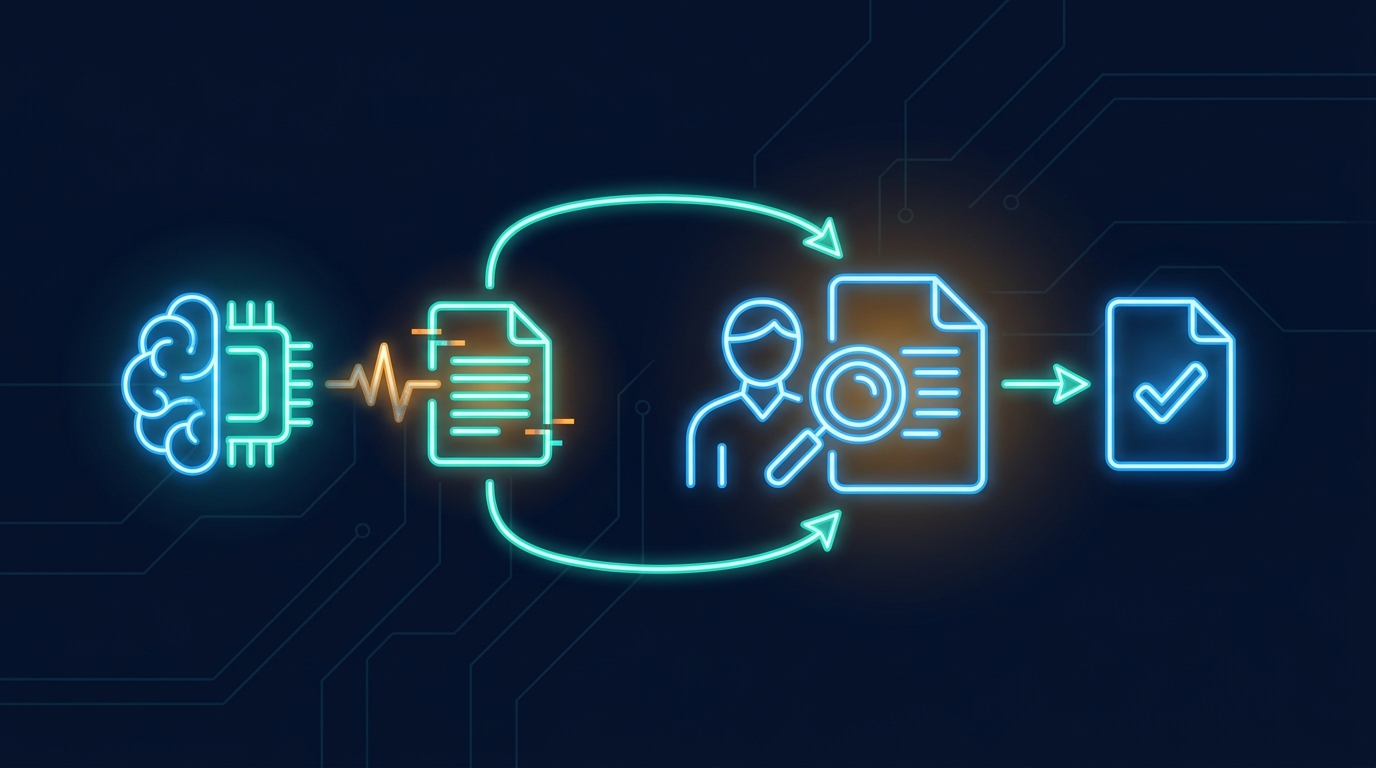
AI prompt injection risk changes when generated documents become new sources. Product teams need source review, narrow context, and approval trails before AI writes into trusted workflows.
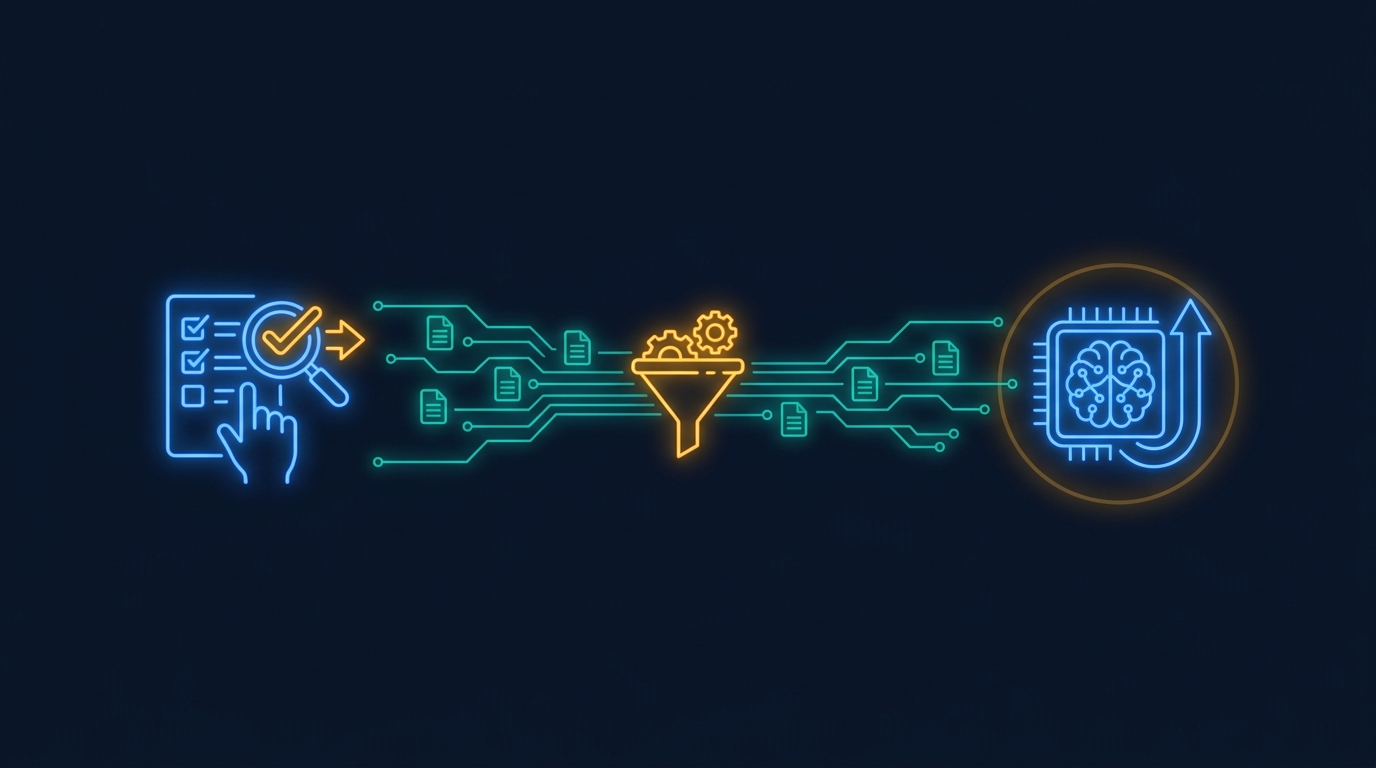
Specialist AI models don't start with training — they start with workflow logs. Capture examples, corrections, and approvals to build models that beat frontier on your task.
AI proof automation can make generated software safer, but SaaS teams still need API scopes, review states, and product runtime controls around AI-built apps.
Context engineering for AI app builders isn't about longer prompts — it's about defining product boundaries, API access, permissions, and review states.
Model scores help teams choose a coding model, but SaaS leaders need separate checks for permissions, API use, writes, cost, and customer-safe sharing.